Micro-Betting in Basketball: Next Play Wagering and Real-Time Markets
 Available in US
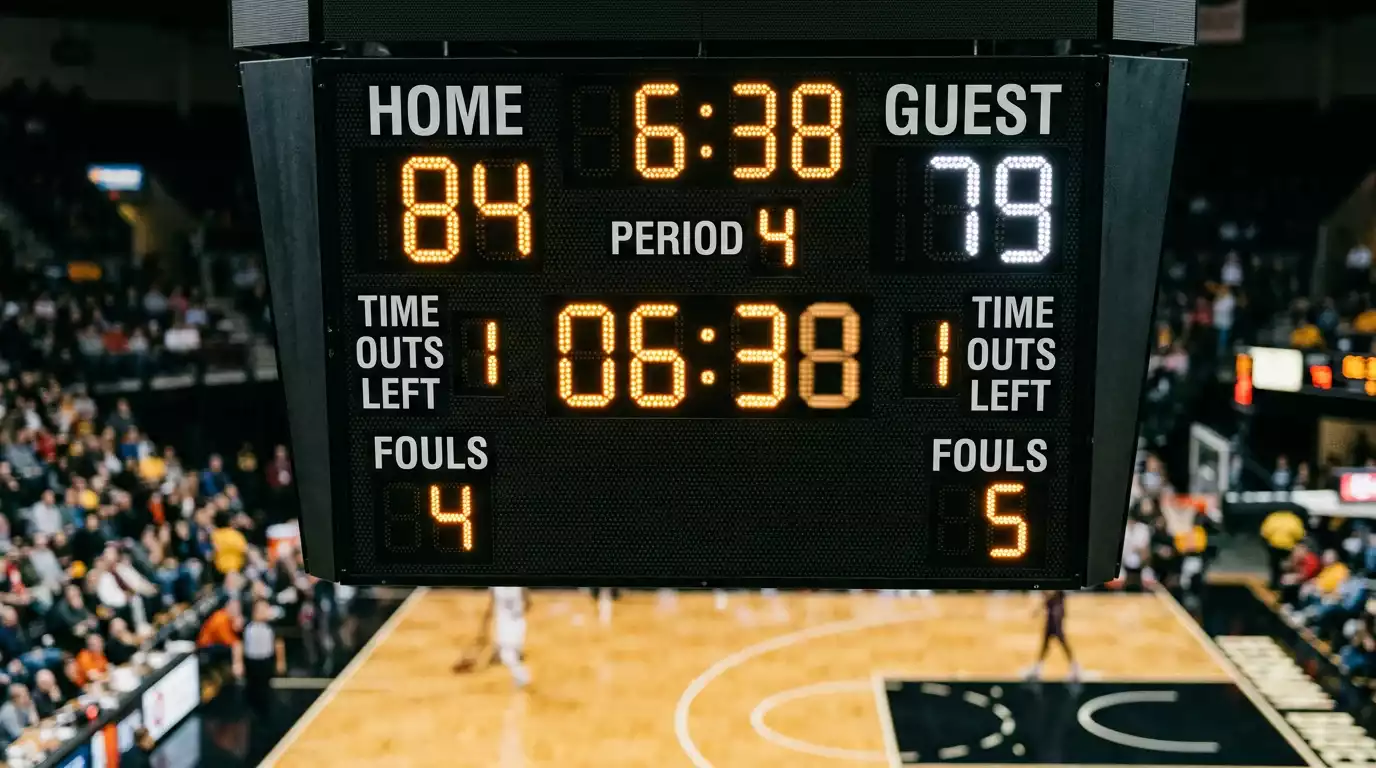
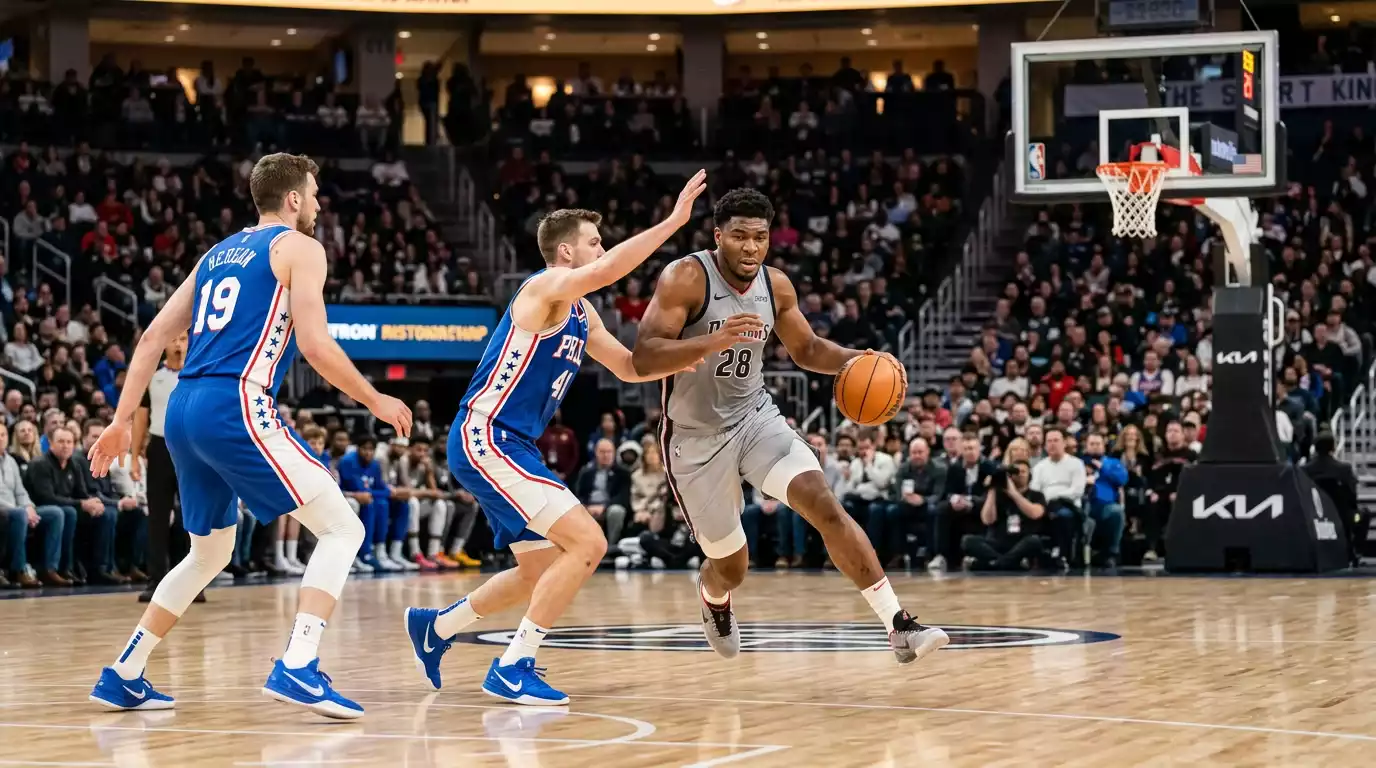
The first time I watched micro-betting odds update during an NBA game, the speed was genuinely disorienting. Between a missed three-pointer and the subsequent inbound pass — maybe four seconds of real time — the market for “next team to score” had already repriced, settled the previous bet, and opened a new one. This isn’t traditional in-play betting accelerated. It’s an entirely different product, operating on a timescale that challenges how we think about sports wagering.
Micro-betting represents the frontier of basketball betting technology. The odds refresh every 200 to 500 milliseconds during live play, powered by real-time player-tracking data that feeds directly from the arena into the sportsbook’s pricing engine. The NBA’s 2024 partnership with FanDuel for real-time player-tracking data unlocked market types like “next player to score” and “total points in the next two minutes” — propositions that would have been impossible to price five years ago.
How Micro-Bets Are Generated From Player-Tracking Data
I sat through a presentation by a sportsbook data scientist in 2024 who described the pipeline behind micro-bet pricing, and the technical infrastructure is staggering. Every NBA arena is equipped with optical tracking systems that capture player positions 25 times per second. That spatial data — combined with ball-tracking, game clock, shot clock, and historical play-type distributions — feeds into models that generate odds for the next discrete event in the game.
The sequence works roughly like this: cameras capture real-time positions of all ten players and the ball. The data is transmitted to a central processing hub with latency measured in single-digit milliseconds. Algorithms classify the current game state — is this a half-court set, a fast break, a free throw situation, a dead ball? Based on the state classification and the players involved, the model outputs probabilities for dozens of potential next events: which team scores next, which player scores next, whether the next shot is a two or a three, whether the next possession results in a turnover.
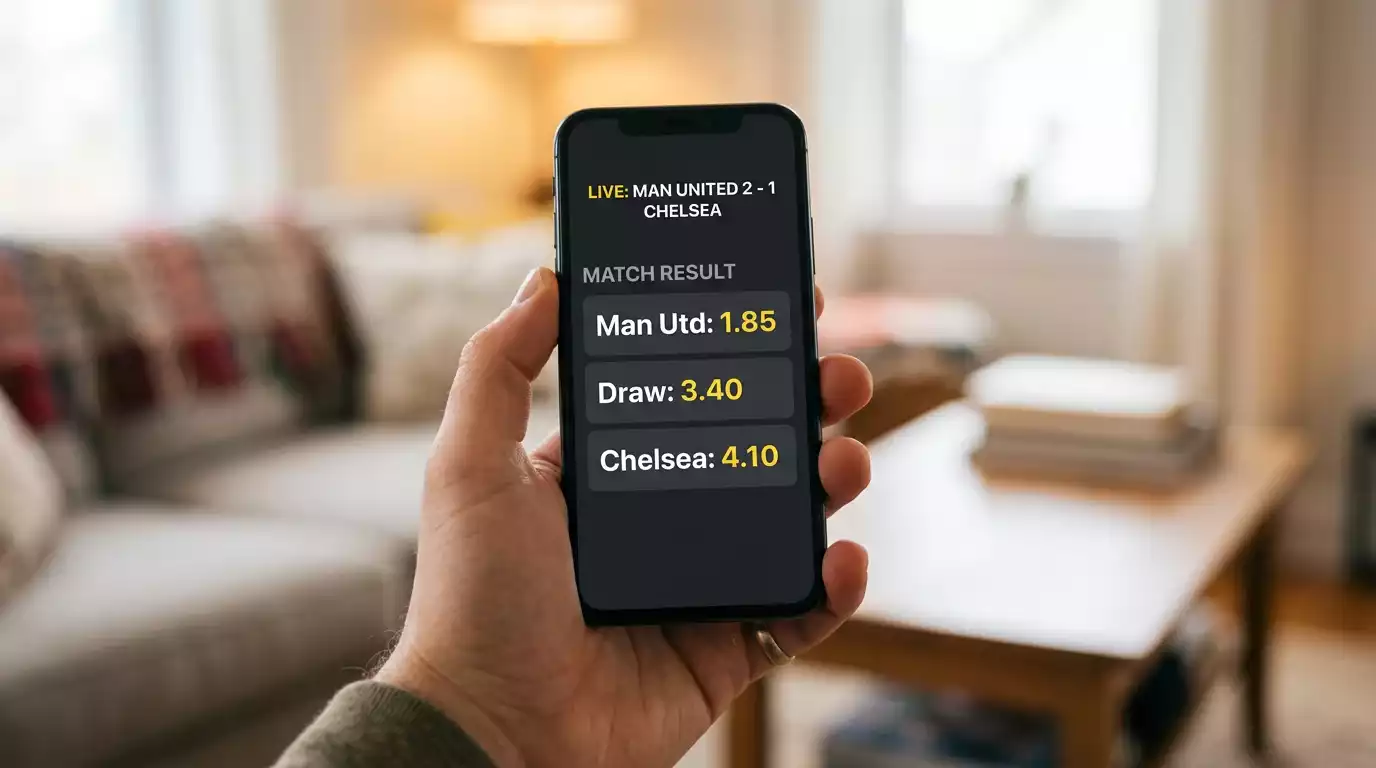
Mobile platforms handle over 80% of US online gambling revenue, and the interface for micro-betting is designed exclusively for mobile. The bet placement window is measured in seconds, not minutes. You see the market, tap a selection, confirm the stake, and the bet is placed before the next possession ends. The design prioritises speed above all else — simplified slip confirmations, pre-set stake buttons, and auto-advancing markets that roll from one proposition to the next without requiring the punter to navigate away.
The technology that makes this possible — sub-second data transmission, real-time probability modelling, instant settlement — is the same infrastructure that will underpin the next generation of live basketball betting products. Micro-betting is the first application, but the data pipeline has implications for every in-play market.
Types of Micro-Bets: Next Score, Next Rebound, Two-Minute Windows
When I first explored micro-betting markets, I expected them to be limited to “next team to score.” The actual range is substantially wider, and growing with each NBA season as operators and data providers refine their models.
Next team to score is the foundational micro-bet. The market opens after each scoring play (or dead ball) and closes when the next basket is made or a foul sends a player to the free throw line. The odds shift in real time based on which team has possession, where the ball is on the court, and how many seconds remain on the shot clock. A team running a fast break with a 3-on-1 advantage will be priced as a heavy favourite for the next score; a team running a half-court set against a set defence might be closer to even money.
Next player to score takes the granularity one level deeper. If the Celtics have possession and Jayson Tatum is handling the ball in isolation on the right wing, the model prices him as the most likely next scorer — but also prices his teammates based on their historical shot distribution from that game state. The odds are specific to the current possession and update with every pass, dribble, and screen.
Time-window markets — “total points in the next two minutes,” “will there be a three-pointer in the next 90 seconds” — offer a middle ground between traditional in-play betting and possession-by-possession micro-bets. These markets stay open for a defined window and settle on aggregate outcomes rather than single events. They’re slightly easier to analyse because the window smooths out the randomness of individual possessions.
Rebound markets, assist markets, and turnover markets are newer entries. “Next player to grab a rebound” or “will the next possession result in a turnover” expand the betting surface beyond scoring events. These markets are typically less liquid and carry wider margins, reflecting the bookmaker’s lower confidence in pricing non-scoring outcomes — but they exist, and their availability is expanding.
Speed, Addiction Risk, and Integrity Concerns
I want to be straightforward about the risks, because the speed and intensity of micro-betting demand it. This is the highest-tempo form of sports wagering that exists, and the behavioural design of the product is optimised for engagement in ways that raise genuine questions.
The pace of micro-betting means a punter can place 40 to 60 bets during a single NBA game. Each bet resolves within seconds, creating a rapid feedback loop of wins and losses that triggers the same neurological responses as slot machines. The variable reinforcement schedule — some bets win, some lose, in unpredictable patterns — is a well-documented driver of compulsive behaviour. Globally, roughly 450 million people experience some form of gambling-related harm, and products designed for speed and volume interact dangerously with that vulnerability.
Integrity is the other axis of concern. John Affleck, a professor specialising in sports journalism at Penn State, has noted that micro-markets create new surfaces for manipulation. A player doesn’t need to fix a game’s outcome to affect a micro-bet — they just need to influence a single play. Missing a specific free throw, committing a deliberate turnover on one possession, or setting a screen that directs the ball to a particular teammate are all actions that could affect a micro-bet market without visibly altering the game’s result. The detection challenge is enormous, because the manipulation signal is buried in the noise of thousands of individual plays per game.
Mobile devices deliver over 53% of global online gambling revenue, and micro-betting is almost exclusively a mobile product. That means it follows you everywhere — into your living room at midnight during a late NBA game, into your commute during a morning EuroLeague fixture. The absence of physical friction (walking to a betting shop, handing over cash) removes a natural pause that historically gave bettors a moment to reconsider. If you engage with micro-betting, setting firm session limits and loss limits before you start is not optional — it’s essential.
From a regulatory standpoint, the UK Gambling Commission has not issued specific guidance on micro-betting as a distinct product category, but the general responsible gambling framework applies. Deposit limits, reality checks, and self-exclusion through GamStop all cover micro-betting activity at UKGC-licensed operators. Whether those tools are sufficient for a product designed to accelerate decision-making and compress the betting cycle into seconds is an open question that regulators, operators, and public health researchers are actively debating.
Are micro-bets available on UK betting platforms?
Micro-betting availability in the UK is growing but remains more limited than in the US. Some major UKGC-licensed operators offer next-score and time-window markets on NBA games, but the full range of possession-by-possession micro-bets is not yet universally available. Coverage is strongest for high-profile NBA games and is expected to expand as the underlying data infrastructure matures.
How does player-tracking data feed into micro-bet odds?
NBA arenas use optical tracking cameras that capture player and ball positions 25 times per second. This spatial data is transmitted in near real-time to sportsbook pricing models, which classify the current game state and calculate probabilities for the next discrete event — a score, a rebound, a turnover. The entire pipeline from camera capture to odds display operates with latency measured in tens of milliseconds.
Is micro-betting more addictive than standard betting?
Research on micro-betting’s specific addiction risk is still emerging, but the product’s design characteristics — rapid feedback loops, high-frequency wagering, variable reinforcement — align closely with features known to promote compulsive gambling behaviour. The speed of bet resolution means losses and wins arrive in seconds, compressing the decision cycle in ways that standard pre-match or even traditional in-play betting do not. Responsible gambling tools are particularly important if you engage with micro-betting.
Published by the Basketball Betting Terms team.